


Our work
Grace to Learn
Education and child development — access, retention and results, with priority to girls and to children with disabilities.
The problem
Enrolment is not the finish line
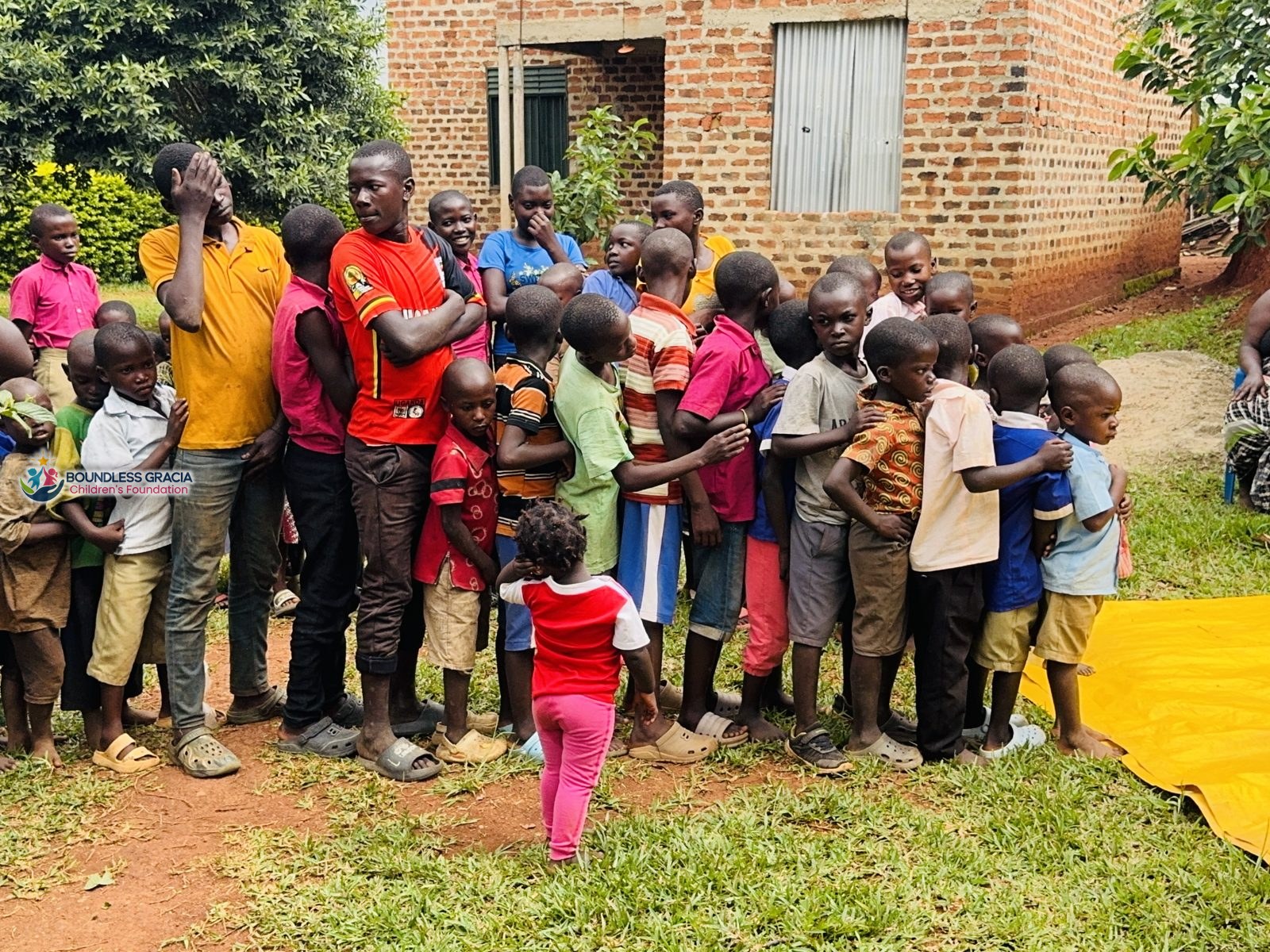
In the communities where we work, children enter school and then leave it. A term’s fees are found; the next term’s are not. A uniform is outgrown. A guardian falls ill and the eldest girl is kept home to nurse and to fetch water. At the transition to secondary school the attrition sharpens, and it sharpens for girls first.
So our measure is not how many children we enrolled. It is how many completed the level they entered, and what they can do afterwards.
What we do
Five activities, one continuous system
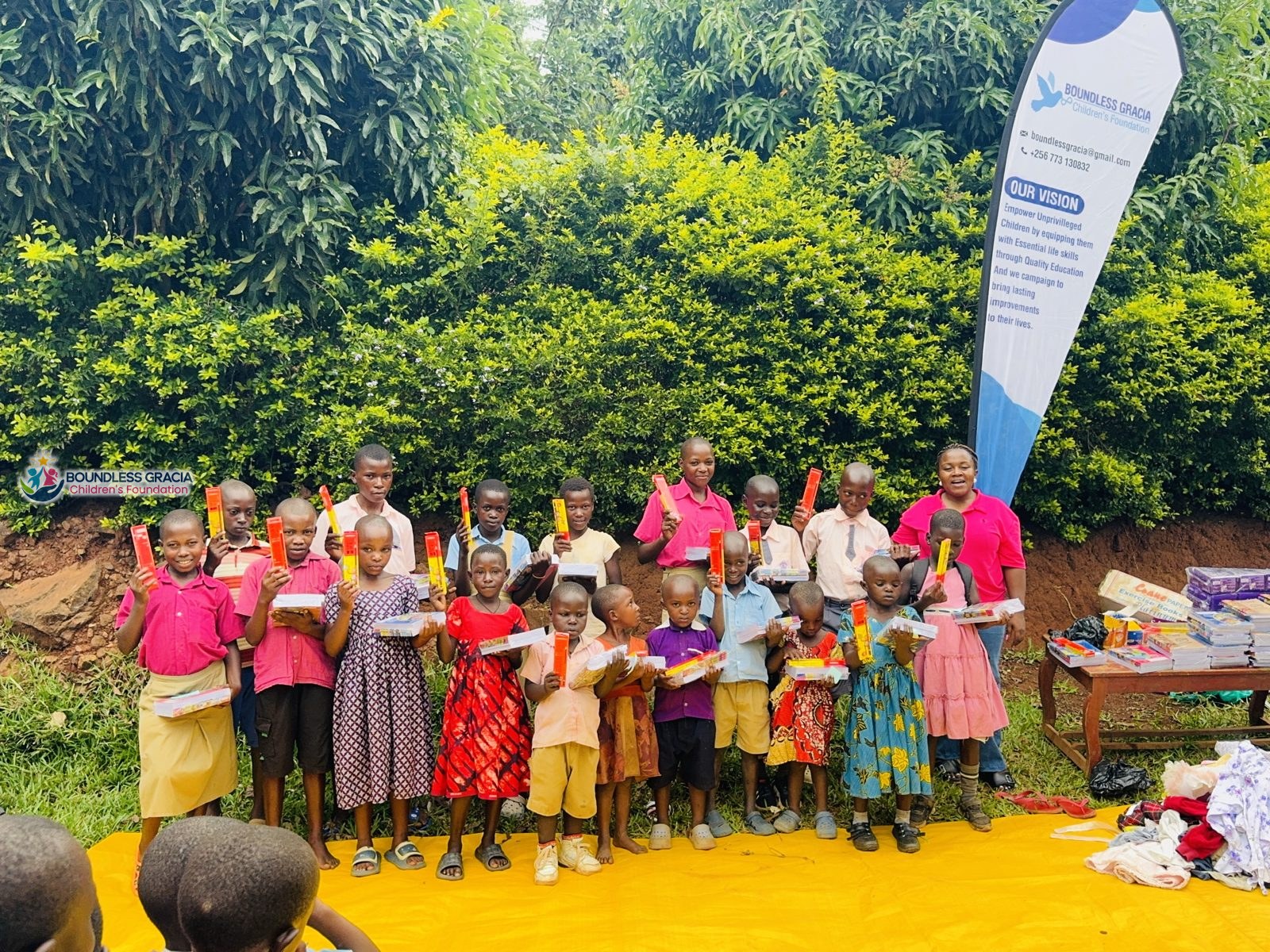
 Sponsorship covering fees, scholastic materials and uniforms, with priority to girls and children with disabilities.
- Early childhood development and remedial learning support, to cut repetition and dropout at the roots.
- Vocational and technical skills training with start-up kits for out-of-school youth and teenage mothers.
- Mentorship, life-skills and career guidance delivered in partnership with schools.
- Work with school management committees to improve the learning environment and reduce corporal punishment and school-related gender-based violence.

Vulnerable children access, remain in and succeed in quality education, and acquire skills for employment or enterprise. Three verbs, and the second one is the hard one.
How we hold ourselves to it

Completion, not enrolment
Our headline indicator is the percentage of supported children who complete the level they enrolled in. Target: 90% by 2030, measured against the 2026 baseline.

A case worker, not a cheque
Every sponsored child has a named case worker who visits the household, tracks attendance and results, and intervenes before a child leaves rather than after.

Safe schools, not just funded ones
We will not keep paying fees into a school that will not address corporal punishment or school-related gender-based violence. That is a condition, not a conversation.
Related
Education does not work on its own
A child who is unwell, unsafe or hungry cannot learn. These three programmes carry the rest of the load.

Grace to Thrive
Health outreaches, nutrition screening and safe water, so illness stops costing weeks of school.
Grace to Belong
Protection from child labour and early marriage — the two things most likely to end a girl’s schooling.

Grace to Rise
A caregiver with a reliable income keeps her children in school without us.
Keep a learner in class all year
A monthly sponsorship lets a case worker plan a child’s whole school year (fees, materials and follow-up) with confidence. That’s why we ask for it first.