


Our work
Four programme areas, one child
Education, health, protection and livelihoods are delivered as a single package, because vulnerability in a child’s life never arrives one strand at a time.
The approach
Treating one strand and calling it a programme is how good intentions fail
A child out of school is usually also a child who is hungry, unwell, unprotected, or living in a household with no reliable income. Our four departments are organised around that reality: a single case worker holds the whole child, and the departments supply what that child’s plan calls for.
Programme one
Grace to Learn — education and child development
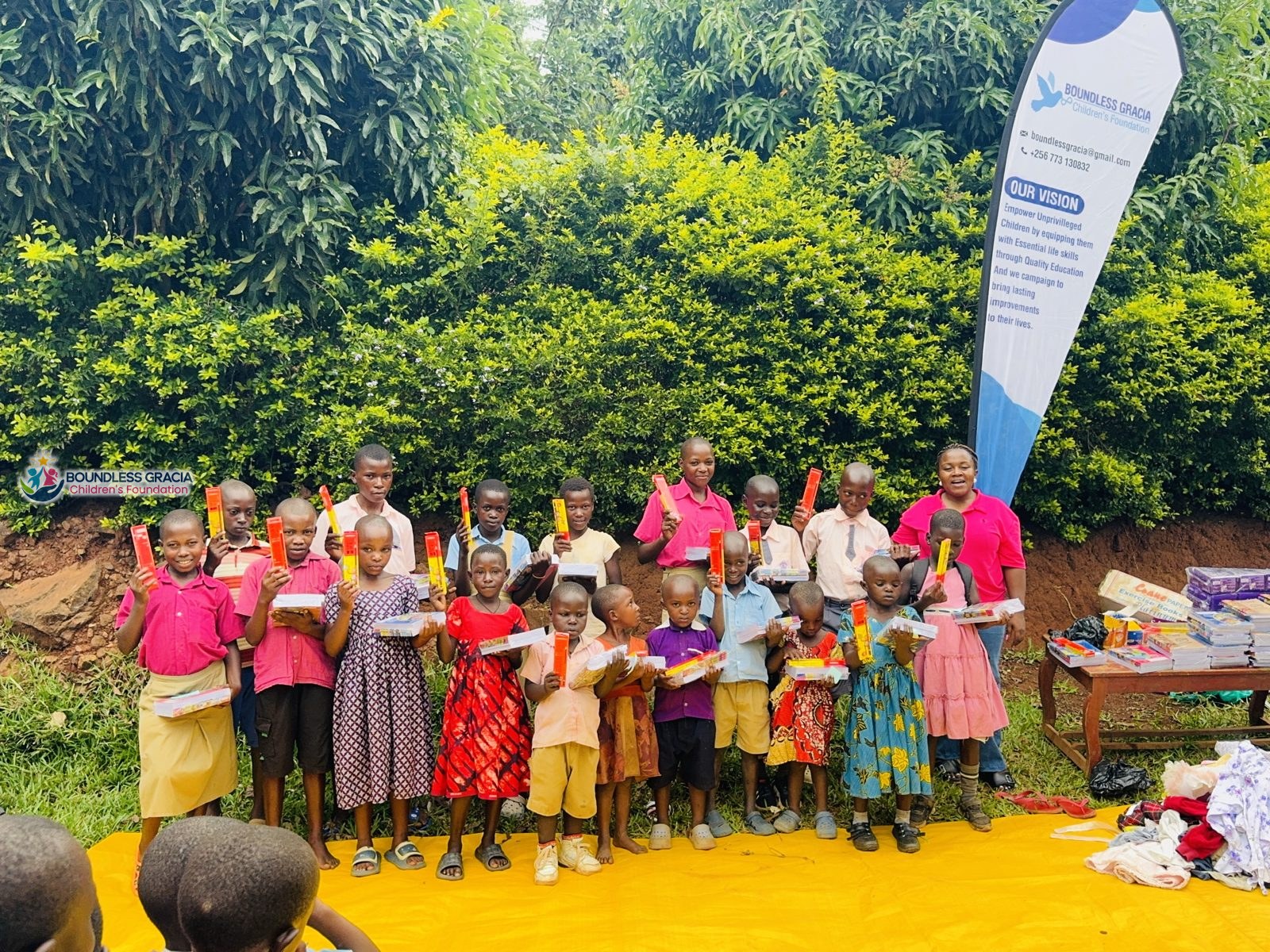
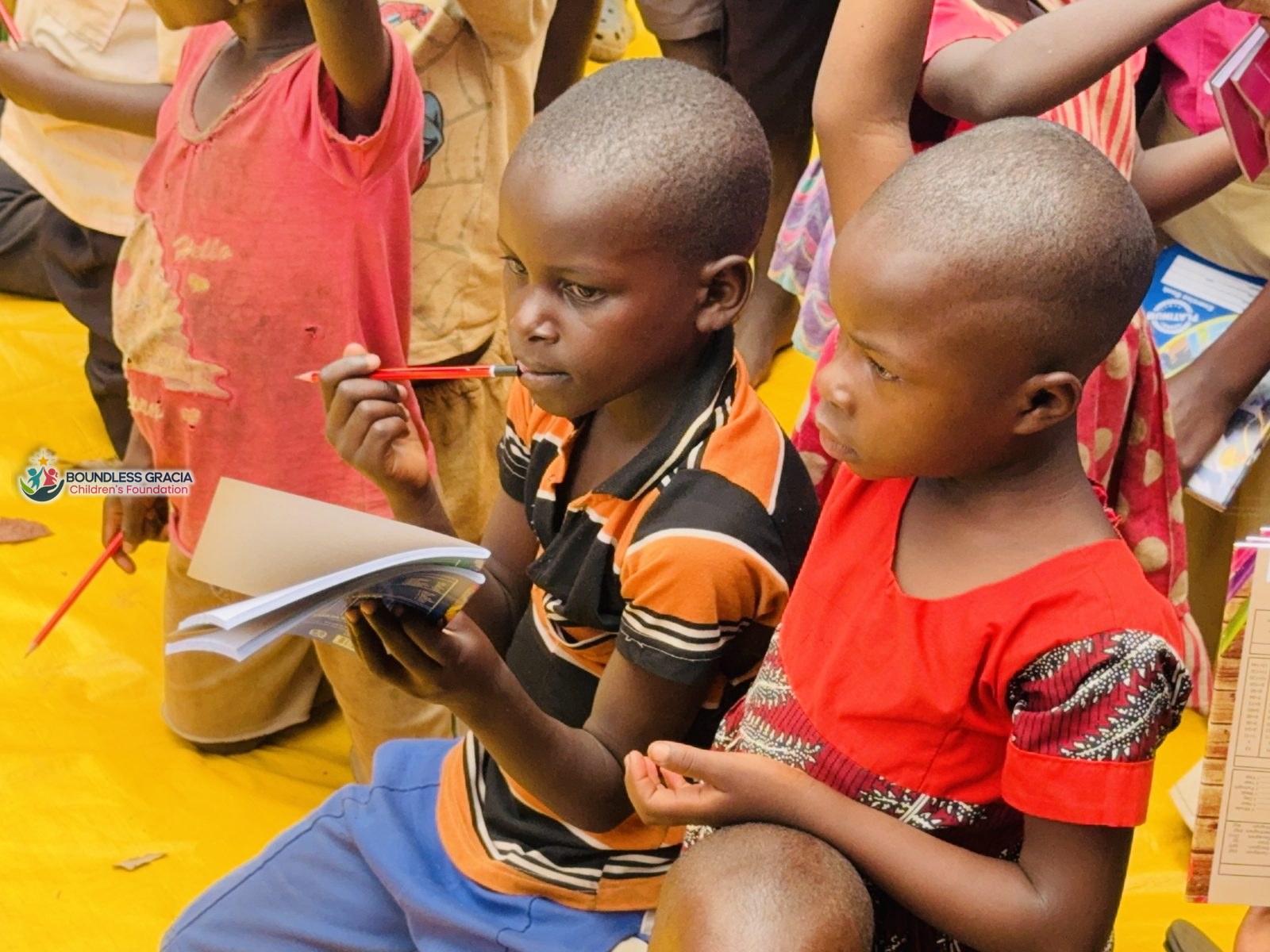
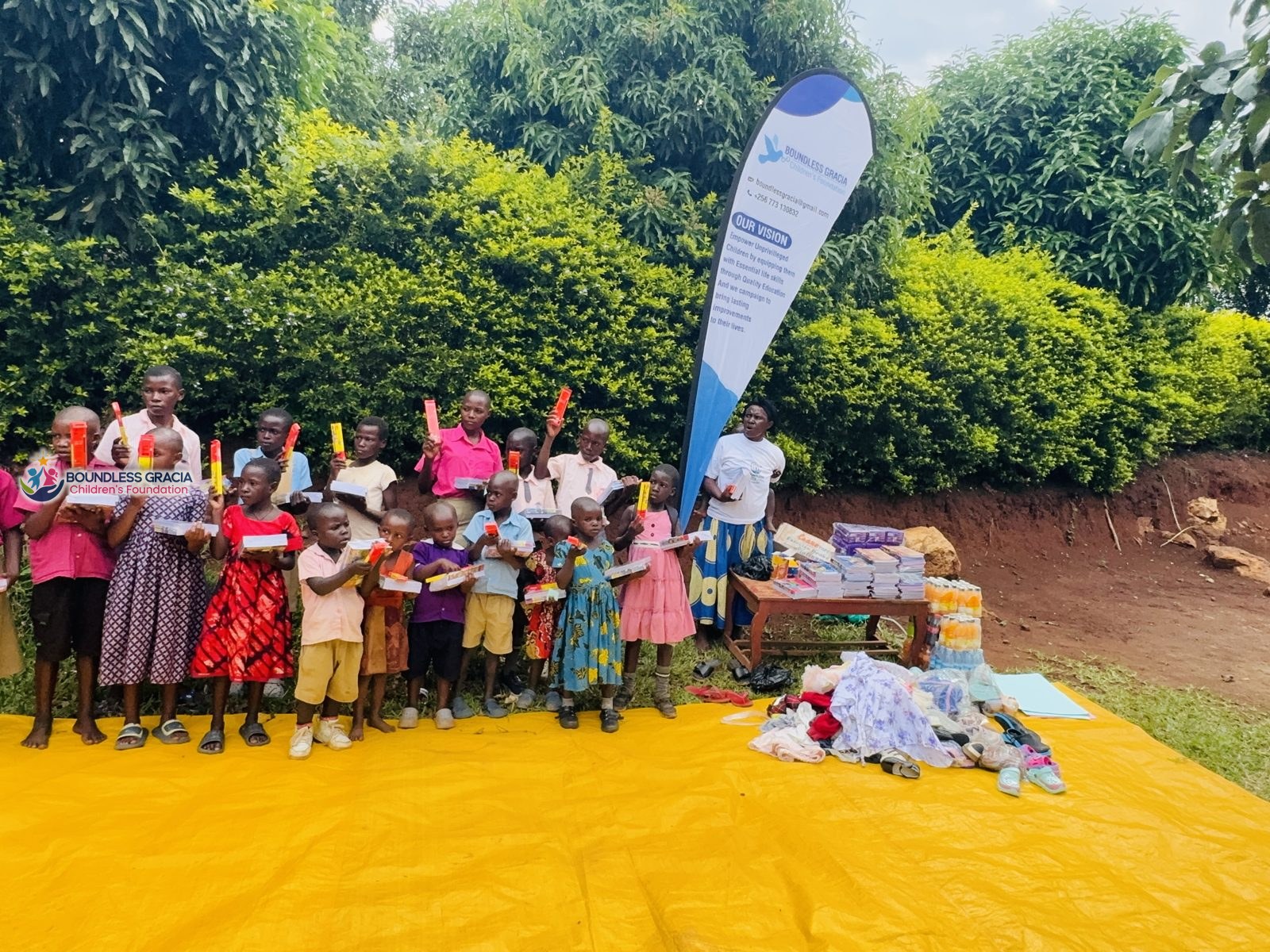
Access, retention and results — with priority to girls and to children with disabilities, who are excluded first and returned last. Our measure is not how many children we enrolled, but how many completed the level they entered and what they can do afterwards.
 Child sponsorship, school fees and scholastic support
- Early childhood development and remedial learning
- Vocational and technical skills training
- Mentorship, life skills and career guidance
Programme two
Grace to Thrive — health, nutrition and WASH
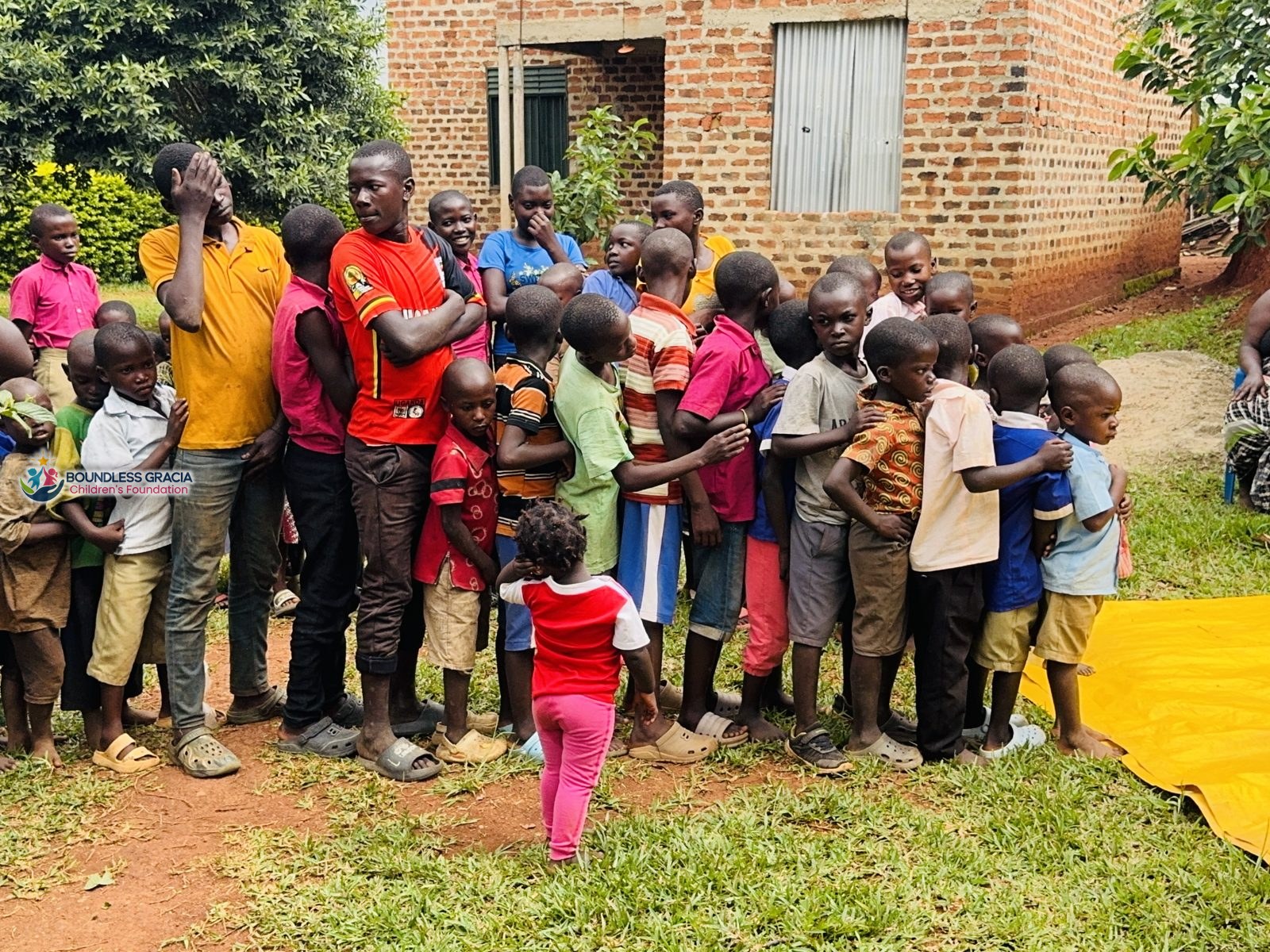
A treatable fever becomes an emergency when the nearest health centre is out of reach and the household has no money for transport. Our health work closes that gap practically, through outreach days and water points close to home, and financially, by removing the cost that stops a caregiver seeking care at all.
- Community health outreach days, run with district health teams
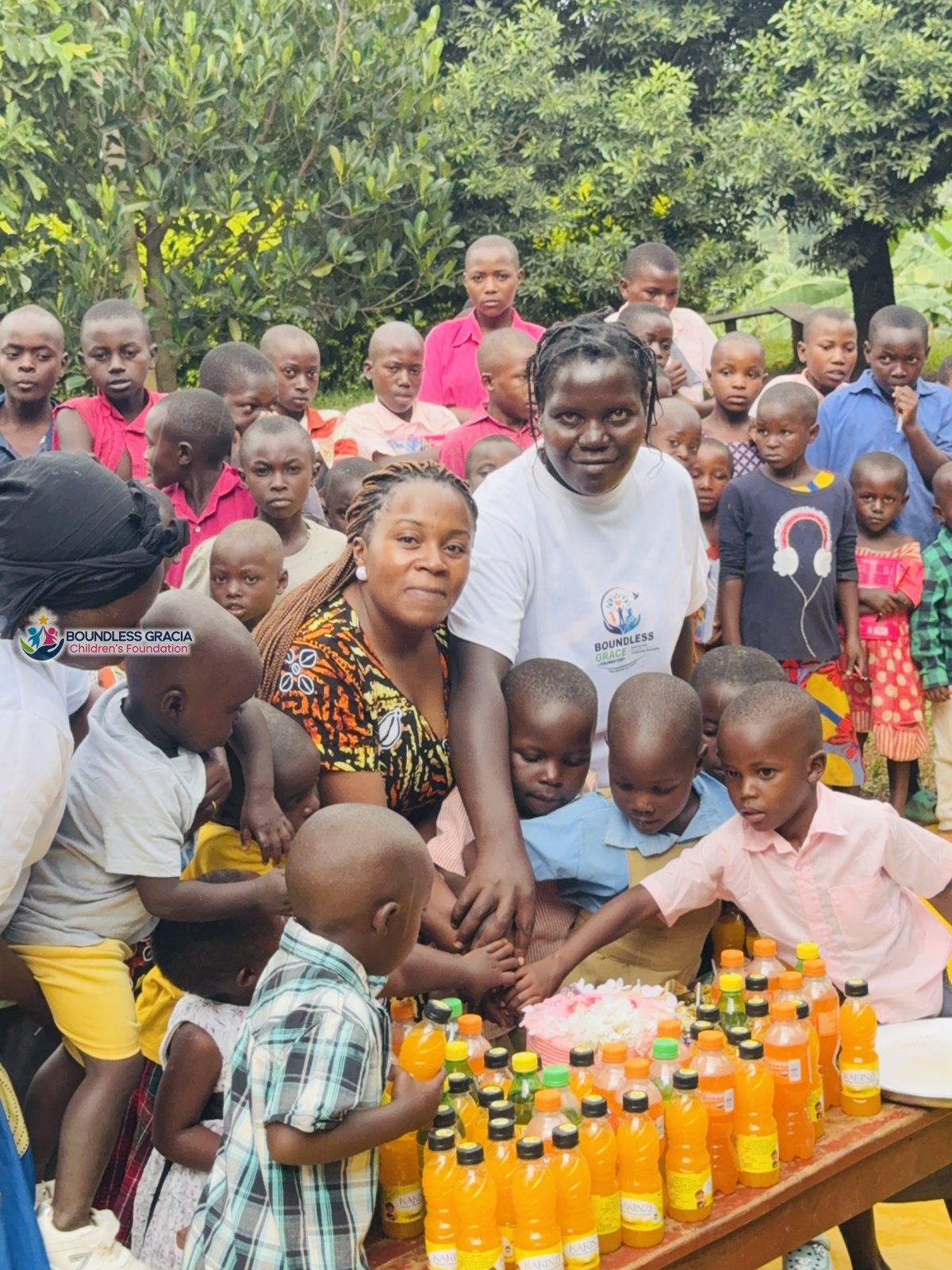
- Nutrition screening and supplementary feeding
- Immunisation and maternal health referral
- Safe water points, sanitation and hygiene
Programme three
Grace to Belong — child protection and family strengthening
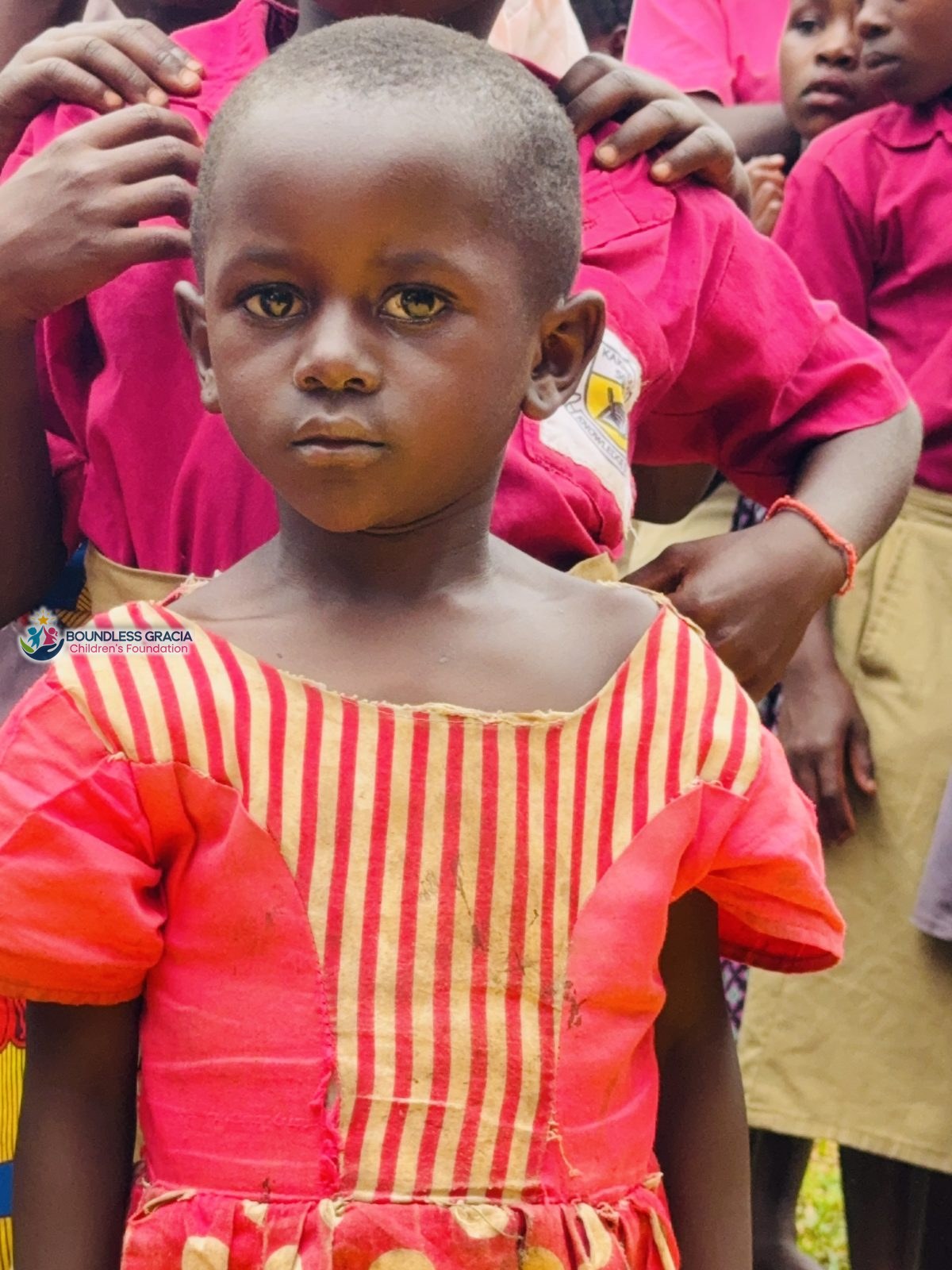
Protection is not a department that sits beside the others — it runs through all of them. We work to prevent abuse, neglect, exploitation, child labour, trafficking and early marriage, to manage the cases that do arise, and to keep children in families rather than institutions.
 Case identification, management and referral
- Psychosocial support and emotional wellbeing
- Family tracing, reintegration and kinship care
- Community child protection committees
Programme four
Grace to Rise — community livelihoods and empowerment
Almost every child on our register lives with a caregiver whose income is seasonal, informal and thin. An organisation that funds only the child is signing up to fund that child forever; strengthening the household is how support becomes finite.
- Village savings and loan associations
- Enterprise and financial literacy training
- Start-up and top-up grants
- Climate-smart agriculture and a women’s skilling centre
How we hold ourselves to it
The same three rules apply to every programme

Consent before publicity
No identifiable image or personal detail of a child is published without documented, informed guardian consent. Every staff member, volunteer and visiting partner signs our safeguarding policy.

With the district, not beside it
Outreaches are planned with district health teams and referrals go into the public system. We are not building a parallel service that collapses when funding moves on.

Counted, then reported
Every child supported is recorded against our results framework, reviewed quarterly by the Board and published in the annual report and audited accounts.
Pick the programme you want to stand behind
Your gift goes to the fund you choose, is spent against a work plan, and is reported against an indicator.